
How to stop basement walls from leaking when it rains?
To stop basement walls leaking when it rains, move rainwater away from the foundation first: clean gutters, extend downspouts, and grade soil so it slopes away from the house. If walls still seep, the cause is likely a crack or drainage failure that needs a professional assessment.
Fully licensed and insured
Open 24 hours, 7 days
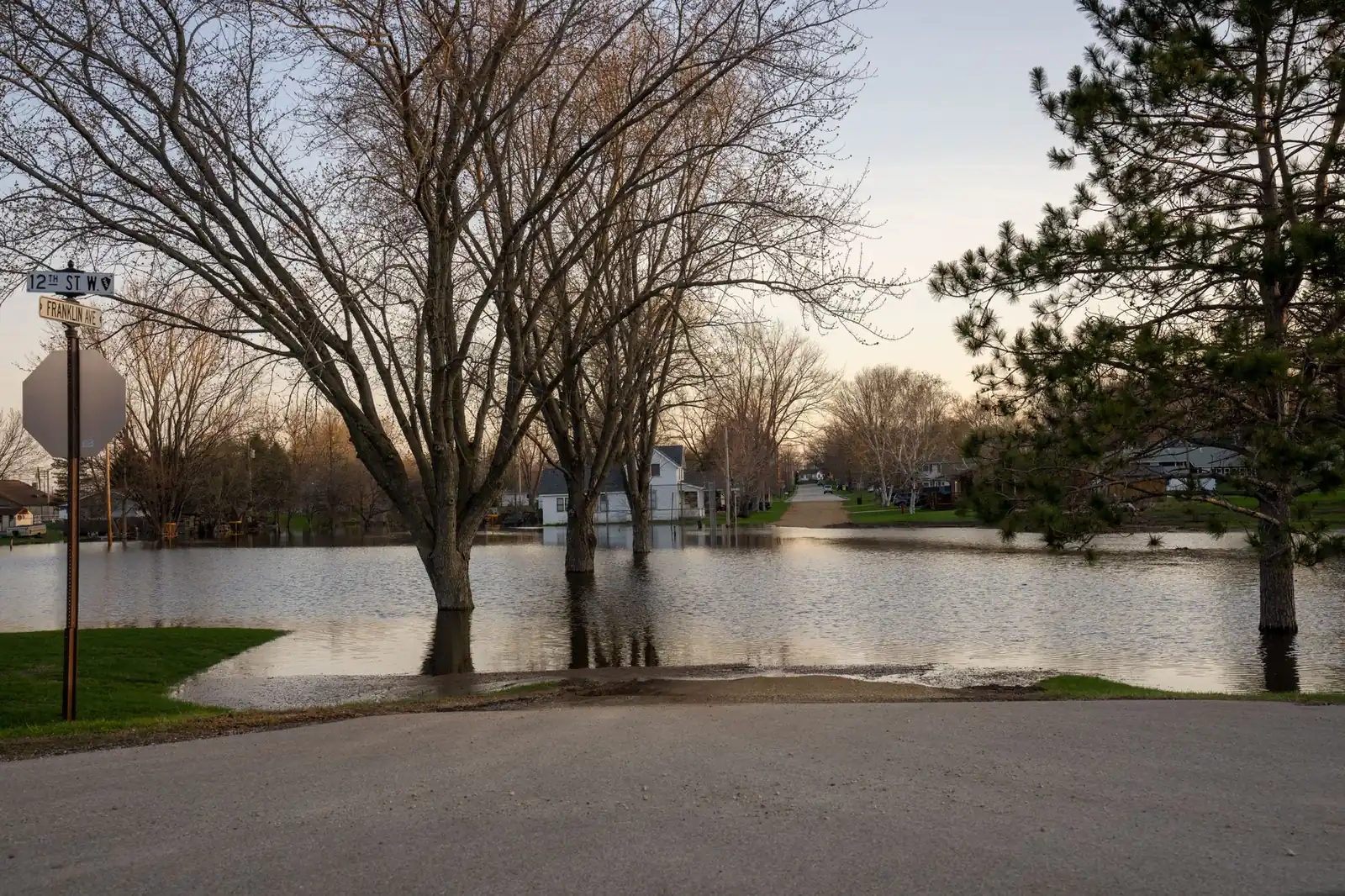
Start outside, where the water begins
Most wall leaks start with roof and ground water that is dumped next to the foundation. Gutters full of leaves overflow beside the wall. Downspouts that end at the base of the house pour hundreds of litres against the foundation in a single storm. Soil that has settled toward the house creates a channel for water to follow.
Clear the gutters before the rainy season, extend every downspout well away from the wall, and rebuild any soil that slopes toward the house so that it falls away. These steps cost little and remove a large share of the water that reaches a basement wall.
Quick checks before you call anyone
- Look for white mineral deposits on the wall, which show where water has been passing through
- Check window wells for standing water and a clear drain
- Look where the wall meets the floor, which is where seepage often shows first
- Note whether leaks happen only in heavy rain or after every rain
- Check that the sump pump runs and that its discharge pipe leads away from the house
What sealers and paints can and cannot do
Waterproof paint and surface sealers can slow damp on a wall, but they work against the water pressing from outside, and they usually peel when the pressure builds. A coating is not a repair for a crack or a failed drain. If water is coming through, the finish behind it keeps getting wet.
When the source is a foundation crack, a failed weeping tile or a high water table, the work is exterior or interior drainage and crack repair, and that is a job for a foundation and waterproofing specialist. Our role starts with what the water has already done inside.
Dry the damage so the leak does not become mould
Repeated leaks soak drywall, insulation and flooring. We remove what has been soaked, dry the wall cavity and slab with controlled equipment and document the moisture readings so you know the structure is dry before anything is rebuilt. Read more about how that works on our basement flooding page, or see how water damage restoration in Richmond Hill is carried out from assessment to rebuild.
When a leak means a bigger plan
If the same wall leaks in every heavy rain, or you see water coming through a crack, the answer is usually a drainage or foundation repair rather than a surface fix. We handle the water damage, drying and rebuild, and we are straightforward about it when the real fix is waterproofing work by another specialist. A free assessment tells you what is damaged now and what is likely to keep happening, so you can plan the order of work and avoid finishing a wall that will get wet again.
Related questions
Is a damp basement wall always a foundation problem?
No. Condensation, a leaking pipe or an overflowing gutter can look the same. A proper inspection separates them.
Can I finish my basement if it leaks sometimes?
Fix the water source and dry the structure first. Finishing over moisture traps it and invites mould.
Does the assessment cost anything?
No. The assessment is free and you receive a written scope and price.
Request a quote
Tell us what you need and we will get back to you. In a hurry? Calling is fastest.
Call about a leaking basement wall
Call us any hour. The assessment is free, and you get a written scope and price before work starts.
Call now (416) 272-3881