
Why is my basement all of a sudden flooding?
A basement that floods suddenly is usually caused by heavy rain overwhelming the ground around the house, a sewer line that has backed up, a failed sump pump or a burst pipe. Find the source first, make it safe, then call a restoration team before the water soaks into walls and flooring.
Fully licensed and insured
Open 24 hours, 7 days
The common causes
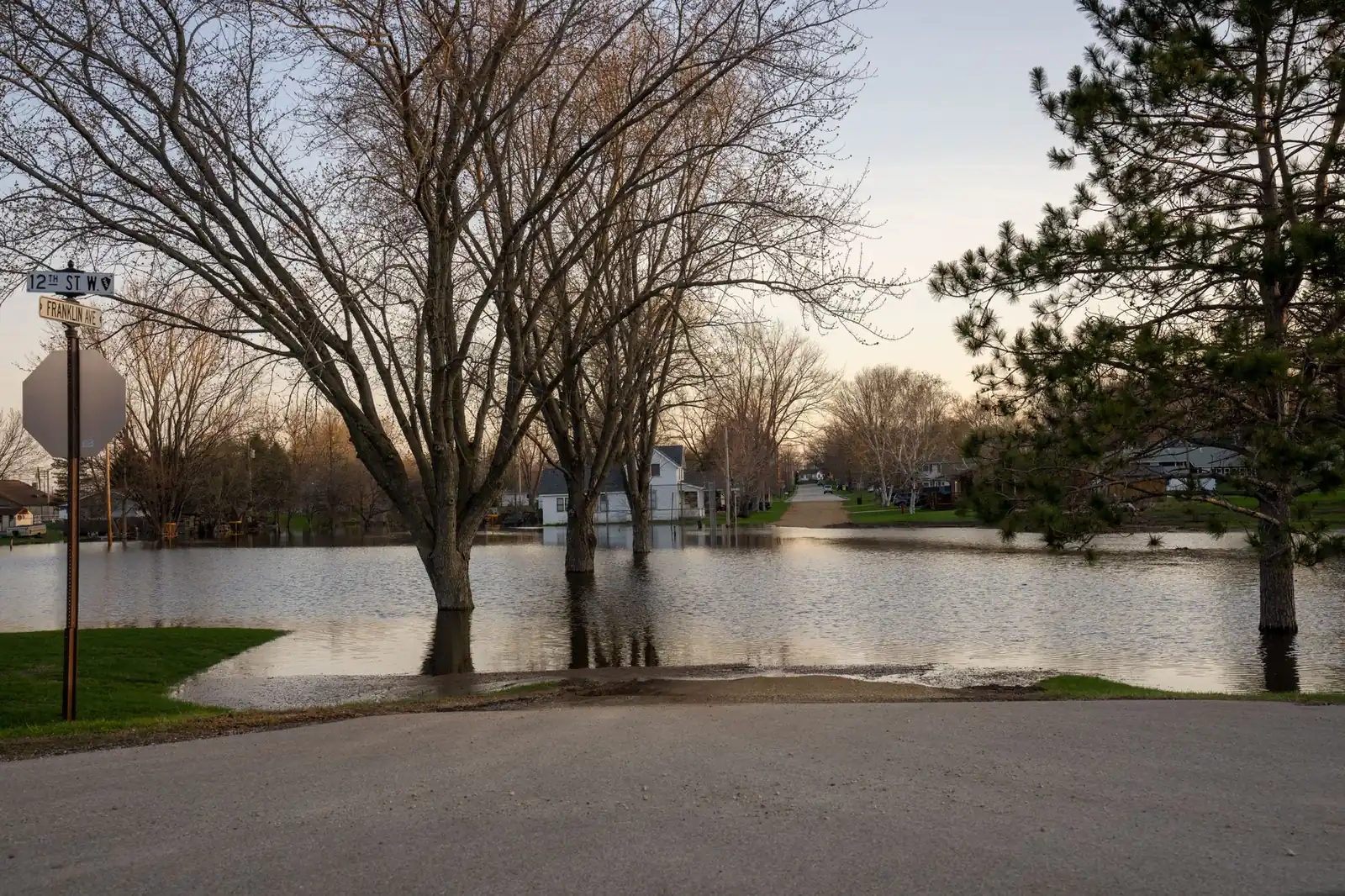
Richmond Hill has clay-heavy soil in many neighbourhoods, and clay drains slowly. After a long rain or a quick spring melt, water sits against the foundation and finds its way in through the floor-wall joint, window wells or cracks. That is the most frequent reason for a basement that was dry for years and then suddenly was not.
The second group is plumbing. A sewer line blocked by roots, grease or a collapsed section sends wastewater back up through the floor drain. A sump pump that fails during a storm, because of a power cut or an old motor, lets groundwater rise unchecked. A burst supply pipe or a failed washing machine hose can put a surprising amount of water on the floor within minutes.
What to do in the first hour
- Stay safe.If water is near outlets, panels or appliances, do not walk through it. Ask a licensed electrician or the utility to shut off power at the panel if you cannot reach it dry.
- Stop the source if you can.Shut off the main water valve for a pipe or appliance leak. For rain or sewer water you cannot stop the source yourself, so move on to the next step.
- Photograph everything.Take clear photos and short video of the water line, the damaged items and the possible source before anything is moved.
- Call a restoration team.Water left standing soaks into drywall, insulation and subfloor quickly, and mould can begin to grow within days. Fast extraction keeps the job smaller.
Clean water or not clean water
Where the water came from decides how the job is handled. Rain and groundwater that entered through the foundation can carry soil and bacteria. Water that came up through a floor drain is wastewater and needs a stricter process, including removing porous materials it touched. A pipe break gives the cleanest water, but even that becomes a problem if it sits.
Our basement flooding service page explains how we extract water, dry the structure and document readings. If the water came up the drain, read about sewer backup cleanup as well, because the steps are different.
Signs the water is still a problem after it looks dry
- A musty smell that returns after you air the room
- Baseboards or drywall that feel cool or soft at the bottom
- Paint that bubbles, flakes or stains near the floor
- Flooring that cups, lifts or shows dark seams
- Condensation on basement windows that does not clear
Richmond Hill and the surrounding area
Homes near the Oak Ridges Moraine and along creek valleys deal with high groundwater in wet seasons, while older subdivisions often have sewer lines that were laid long ago and carry heavy loads in big storms. If your street had flooding in the same storm, mention it when you call, since it helps separate a municipal sewer issue from a problem on your own property. We serve Richmond Hill, Aurora, Vaughan, Thornhill, Markham and Newmarket, day and night, and our crew can be on site within 45 minutes.
Related questions
Should I pump the water out myself?
Small amounts can be handled with a wet vacuum, but a flooded basement should be drained steadily and the structure dried afterwards. Pumping alone leaves moisture in the walls and slab.
Will the flooding happen again?
It can if the cause is not found. A good assessment looks at drainage, the sump system and the sewer connection, and tells you plainly what it finds.
Do I tell my insurer?
Report the loss promptly. We document the damage in a way your adjuster can use, and we bill your insurance company directly.
Request a quote
Tell us what you need and we will get back to you. In a hurry? Calling is fastest.
Call about a flooded basement
Call us any hour. The assessment is free, and you get a written scope and price before work starts.
Call now (416) 272-3881