
Water Damage Vaughan
Water damage Vaughan neighbourhoods saw at its worst in August 2005, when a single storm flooded roads, underpasses and basements across the city, and the lessons still guide how owners prepare.
Fully licensed and insured
Open 24 hours, 7 days
The 2005 storm
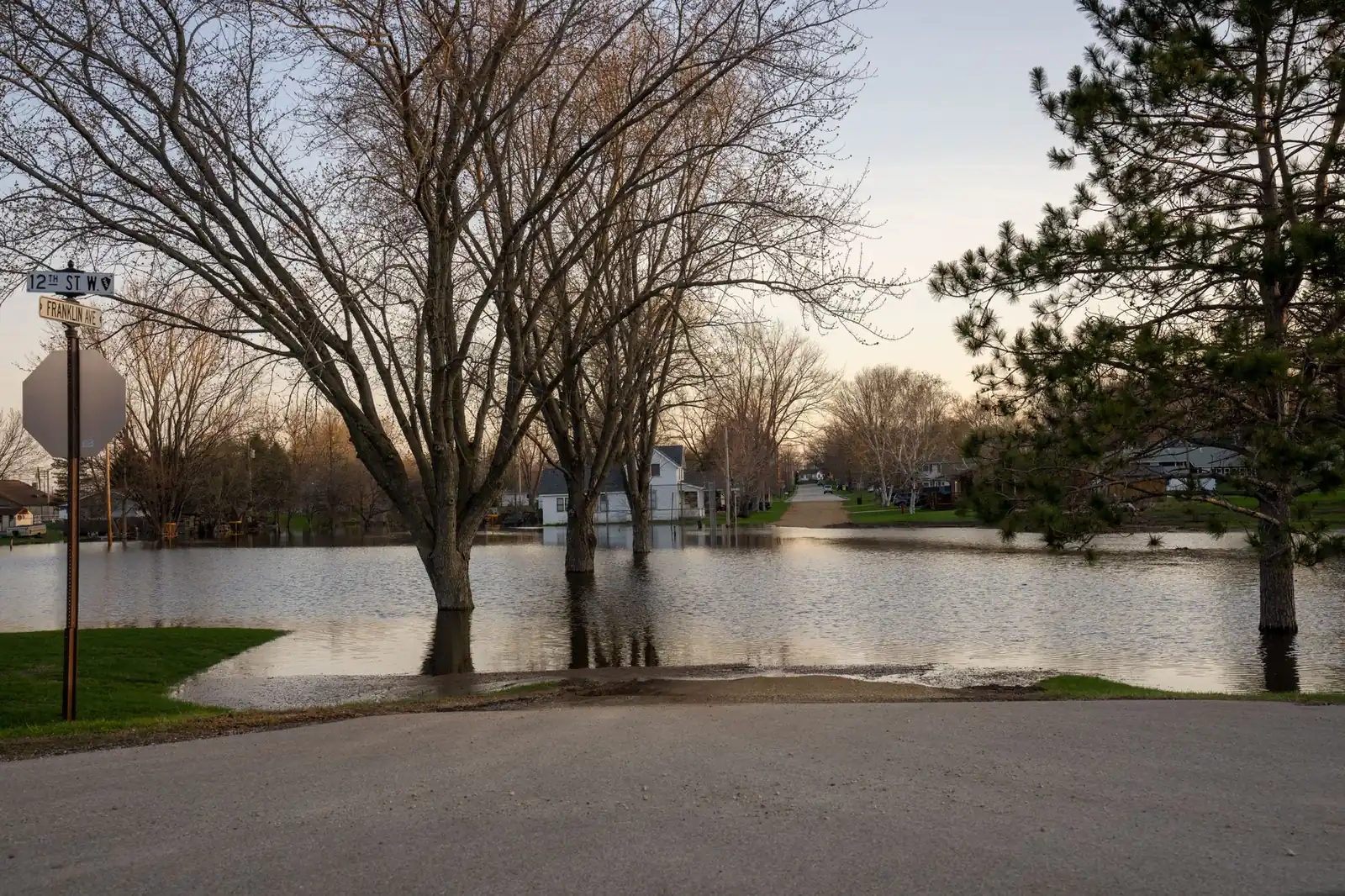
A City of Vaughan report describes the August 2005 storm as causing widespread urban flooding that included flooded roads and interchanges, underpasses and basements. A 2006 committee report adds that water levels rose in ditches, sewers and creeks and fed the Don and Humber rivers, the two receiving rivers for Vaughan. That context is useful because it shows that Vaughan's problem is not one creek but a network of them that meet at different points.
Richmond Hill Water Damage serves Vaughan from the north-east, along Yonge Street and Highway 7, so Thornhill, Concord and Maple are our most direct neighbours.
Housing across Vaughan's south and east
Thornhill's Vaughan side has houses from the 1960s to the 1980s, many with finished basements and mature trees. Concord combines older low-rise houses with industrial areas and apartment buildings. Maple's subdivisions began in the 1990s, with larger houses and deep lots, and Vellore's family neighbourhoods are newer again. Each period used different pipe materials and drainage designs, so the likely source of a loss shifts with the year the house was built.
What the City offers
The City of Vaughan offers information on sanitary backwater valves and has run a subsidy program that helps homeowners with the cost of installing one. A backwater valve closes when sewage tries to flow back into the house, which protects against sewer backup, not against water that comes in a window well or through a cracked wall. It needs checking at least once a year, and the licence and permit requirements apply when it is installed. The City's current terms are on vaughan.ca.
We do not install backwater valves. We can tell a plumber what we saw during your loss.
Signs that water has spread further than it looks
- A baseboard that has swelled or separated from the wall
- Laminate or hardwood that has lifted or cupped
- A damp smell that returns after the room is aired out
- Paint or wallpaper that blisters on an interior wall
- A thermal camera shows a cold patch behind drywall
From the first call
- PhoneTell us your cross streets and what you can see.
- ArrivalThe crew stops the source and extracts water.
- MeasurementWet areas are mapped before anything is removed.
- DryingEquipment runs and readings are logged, usually for three to five days.
- ScopeA written scope and price come before any rebuild, and the assessment is free.
Vaughan: downspout testing and when work needs a permit
The City of Vaughan explains how homeowners can disconnect a downspout to send water above ground and away from the walls, and says streets connected to a clean water collection system do not need disconnection. Its Inflow and Infiltration Reduction Program uses smoke and dye testing to find downspout and sump pump connections to the sanitary sewer.
If repairs go beyond the cosmetic, the City says owners may draw their own plans when the design falls within Part 9 of Division B of the Building Code, and applications go through its ePlans portal. Building Standards can be reached at 905-832-8510 (checked November 2026).
Water damage Vaughan: questions
Do you serve Thornhill and Maple?
Yes, we take calls throughout Vaughan.
Should I stay in the house?
Often yes for clean water. If sewage is involved, follow our advice about which rooms to avoid.
What happens to my belongings?
Items that can be dried are kept. Porous items soaked by dirty water are removed, and we photograph them first.
How do I find the City's flood information?
The City of Vaughan website carries the current program details.
Request a quote
Tell us what you need and we will get back to you. In a hurry? Calling is fastest.